Global Warming in the Next Five Years: A Critical Turning Point for Our Planet
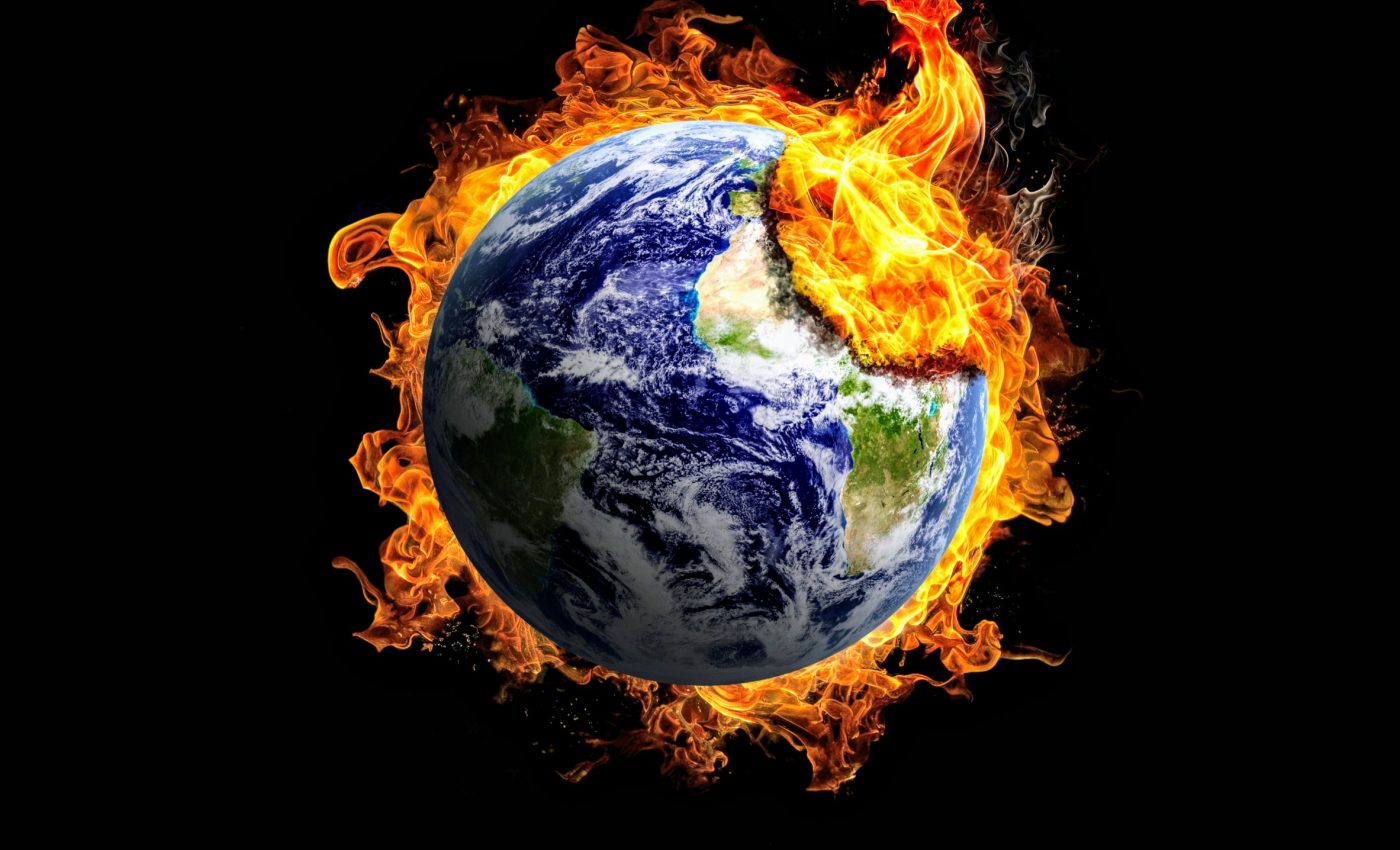
Global warming is no longer a distant scenario from science fiction or a problem only scientists discuss—it is here, shaping the world we live in today. Over the next five years, our planet will face one of the most crucial turning points in history. The decisions humanity makes now will determine whether we move toward a future of resilience and sustainability, or a world marked by escalating disasters and irreversible damage.
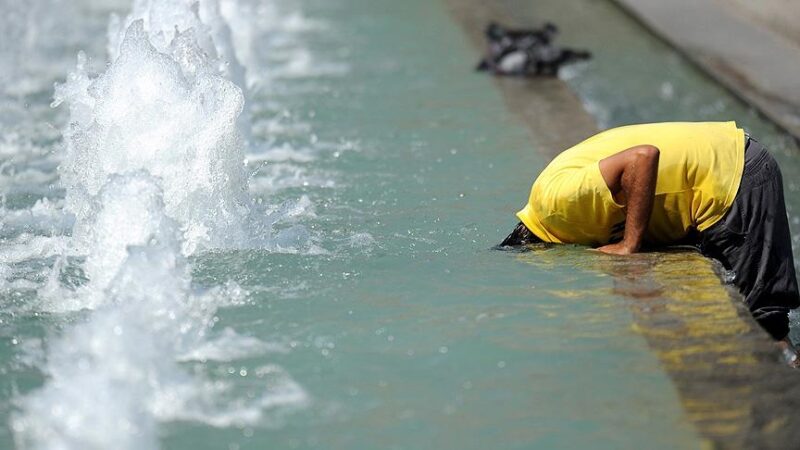
In the immediate future, the impact of rising global temperatures will become even more visible and more personal. Heatwaves will intensify, lasting longer and reaching temperatures once thought impossible in many regions. Cities like New Delhi, Phoenix, and Paris have already broken heat records multiple times in the past few years, and this trend shows no sign of slowing down. Healthcare systems are likely to be overwhelmed during extreme weather events, as heat-related illnesses become more common, especially among vulnerable populations like the elderly and young children.
Meanwhile, melting ice continues to be a stark warning. Greenland and Antarctica are losing ice at faster rates than earlier predicted, pushing sea levels higher year after year. In the next five years, low-lying island nations and coastal cities—from Miami to Jakarta—will battle more frequent flooding, storm surges, and erosion. For millions of people, relocation may become not just an option, but a necessity. This means a rise in climate migration, placing additional stress on global resources and international relations.
Wildfires will also become more intense. Regions such as California, Australia, and the Mediterranean have already witnessed devastating fire seasons fueled by drought and dry vegetation. With global temperatures continuing to rise, forests are becoming increasingly vulnerable. The destruction of these ecosystems not only releases massive amounts of stored carbon into the atmosphere but also destroys wildlife habitats and reduces the Earth’s natural capacity to regulate the climate.
However, the next five years also bring opportunity. We still have the power to reshape our future. Advancements in renewable energy, like solar and wind power, are becoming more accessible and affordable. Many countries are adopting policies to reduce fossil fuel dependence, transitioning to cleaner energy sources. If this momentum continues, we could see a significant drop in carbon emissions, slowing the rate of warming.
Public awareness surrounding climate change has also grown rapidly. Young people in particular are demanding urgent action from governments and industries, driving major shifts in business practices. Sustainable products, responsible consumption, and environmentally conscious brands are no longer niche— they are becoming mainstream. This cultural shift gives hope that society is ready to take responsibility and act collectively.
Still, progress must accelerate. Climate scientists emphasize that cutting emissions by at least 50% by 2030 is essential to keep global warming below catastrophic levels. The next five years represent a crucial window for action—after that, the climate system may reach tipping points that cannot be reversed. These tipping points could include the collapse of major ice sheets or the die-off of the Amazon rainforest, which would speed up warming and trigger a chain reaction of disasters.
Ultimately, global warming is not just an environmental issue—it affects health, economies, food supplies, and global security. It is a human issue, one that unites us all regardless of borders. Over the next five years, each of us will play a role in determining what kind of world we leave behind for future generations.
We stand on a threshold between danger and possibility. With bold choices and immediate action, we can still protect our planet. The future is not written yet—and now is the time to write one we can be proud of.